Mind Orientation Theory
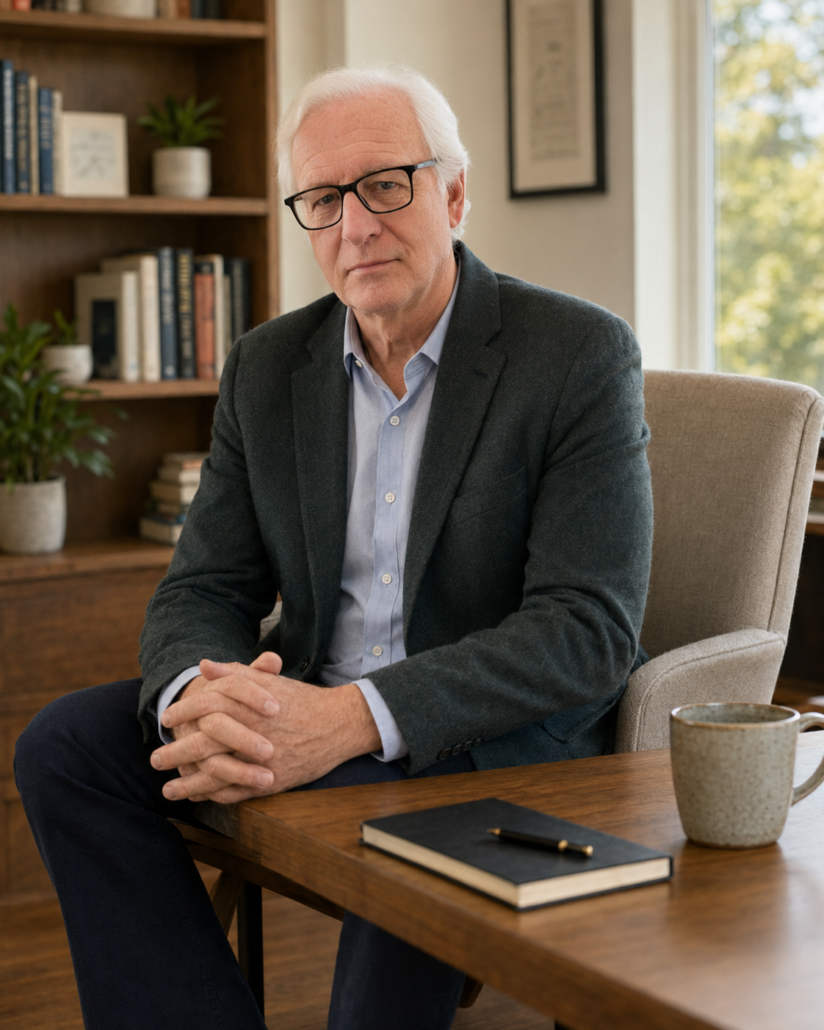
Hi, I’m Dr. Z, a psychotherapist, behavioral consultant, executive coach, and author whose work explores the enduring question at the heart of the Cloud–Castle–Bridge series: Why do people think, feel, and act so differently, even when they are facing the same world?
The framework grew from my unusually broad professional life. Before entering psychology, I spent twenty-five years as a business executive with multinational companies in manufacturing and services. My work took me across five continents and placed me among people of different cultures, languages, beliefs, and ways of understanding reality. Later, I retrained in clinical psychology and behavioral medicine and established a practice serving individuals, families, senior executives, entrepreneurs, and organizational leaders.
Across these settings, I repeatedly encountered the same underlying pattern. Some people are naturally drawn toward ideas, possibilities, meanings, and abstractions. Others seek what is tangible, structured, observable, and dependable. Still others develop the capacity to move between these orientations, translating ideas into workable forms while examining concrete realities from a wider perspective.
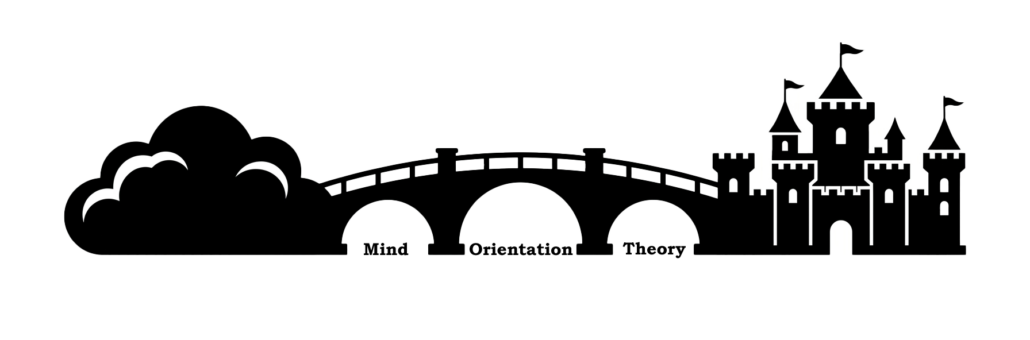
I named these three features of the mind the Cloud, the Castle, and the Bridge.
The Cloud orientation represents the abstract world of ideas, imagination, philosophy, theology, theory, and possibility. The Castle orientation represents the concrete world of structures, institutions, practices, evidence, and lived experience. The Bridge function represents the reflective capacity to travel between them—to understand how ideas become realities, how realities generate ideas, and why people occupying different orientations can perceive the same situation so differently.
My perspective draws from psychology, neuroscience, philosophy, theology, organizational behavior, and decades of direct work with people confronting personal, relational, spiritual, and professional questions. Rather than reducing human differences to labels, the Cloud–Castle–Bridge framework provides a practical language for recognizing recurring patterns of thought and behavior.
My three-book series develops this framework from complementary perspectives: first as a general model of the mind, then as a way of examining religion and humanity’s representations of God, and finally from the Bridge itself—the reflective position from which the Cloud and the Castle can be understood together.
Through these books,I invite readers to recognize their own preferred orientation, better understand the minds of others, and become more intentional about how they move between ideas and the world those ideas create.